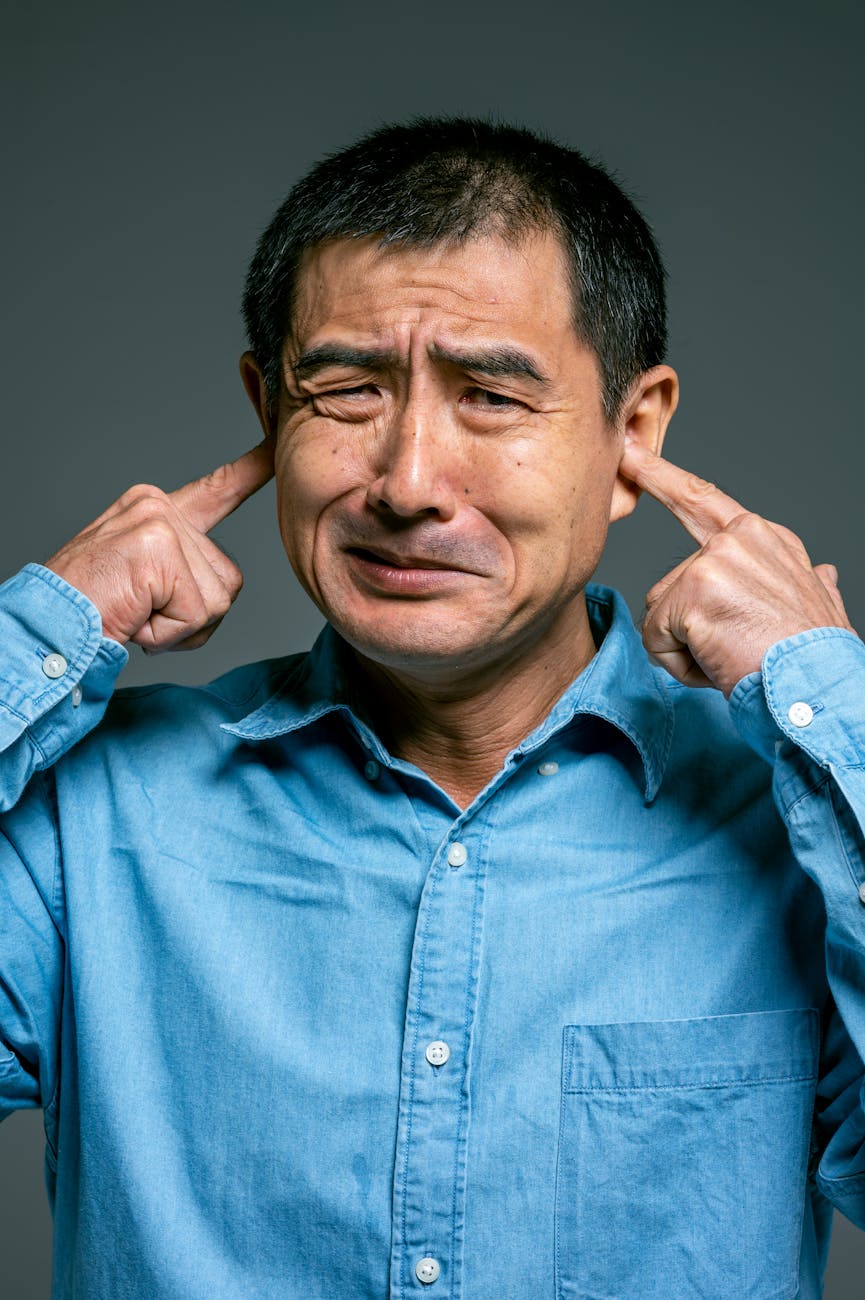
You know that person in the room who isn’t self-aware? I laughed at the examples in this article.
- They regularly broach sensitive topics.
- Drama follows wherever they go.
- They can’t take feedback.
- They overestimate their capabilities.
- Success is theirs, failure is someone else’s.
- They never change their minds.
Yeah, those people stink.
So don’t be one. Especially one to your kids.
Self-awareness is a prerequisite for being the Strong and Kind Adult in the room.
How do you know if you have an opportunity to build self-awareness when it comes to parenting or teaching?
- Are you always in conflict with your children or students?
- What do you do when a child shares feedback with you?
- How would the children in your life describe you to their friends?
- Do you know your weaknsses and trigger spots?
- Can you give credit to your child/student?
- Are you willing to change your mind when you hear from the children in your life?
- Can you name your current emotion as you read this? And know why you might be feeling that way?
Building Self-Awareness
You are the leader in your home and classroom. And leaders without self-awareness can do a lot of damage.
A lot of us think we are self-aware, but apparently, only 15% of people are sufficiently self-aware.
So what if we just go ahead and assume that self-awareness is something we could all get a little better at when it comes to our parenting and teaching?
What if your kids described you as someone who:
- regulates your emotions and responds rather than react
- apologizes when you make a mistake
- separates the child’s feelings from behaviors
- checks your assumptions in the moment
- adapts your response based on the circumstances
- carefully considers feedback from your child
- changes your mind and notices where you have blocks
- knows how your past impacts your present and adapts your response and behaviors accordingly
How can I practice?
- Check out the list of books below! Snag one to listen to or read today.
- Ask for feedback from your colleagues, spouse, partner, and children!
- Set a reminder on your phone once a day to check in with your emotions. What are you feeling right now? Can you name it? How are you acting? Why are you acting that way?
- Journal
- Get a great therapist or coach
- Write down one trigger that makes you loose your bananas. Consider why you respond that way. Make a plan to notice when you feel triggered and pause before you respond.
- Yoga! The brain body connection matters.
- Get curious. Stop judging.
- Share what you learned from this post with your kids. Ask them what they think and how self-aware they think they are. Have an awesome dinner table discussion about self-awareness.
When you are self-aware, guess what, your kids are way more likely to be as well. Apples and trees and all that.
With you in it,
Peyten
Want some personalized parent or teacher coaching? respond to this email!
Want a deeper dive? Invite me to your school or place of worship to facilitate a Workshop.
Bowbend Recommends Books For Building Self-Awareness
Thanks for the Feedback
A practical guide to receiving (and giving) feedback without defensiveness, helping parents/teachers/leaders notice their triggers and choose growth over protection.
Radical Candor
Builds self-awareness around how you show up with others by balancing “care personally” with “challenge directly” in leadership, parenting, and coaching conversations.
The Road Back To You
Uses the Enneagram to help you recognize your default patterns under stress so you can respond with more intention in relationships and conflict.
I Said This, You Heard That
Sharpens awareness of communication filters (tone, assumptions, defensiveness) so you can repair misunderstandings and speak to be understood.
The Worry Free Parent
Helps parents identify how anxiety and control can drive their choices, replacing fear-based parenting with calmer, values-based leadership at home.
Emotional Agility
Teaches you to notice, name, and “unhook” from emotions and stories so you can act from your values instead of your moods.
Strengths Finder
Increases self-awareness by identifying your natural talents, helping you lead (and parent/teach) from what you do best rather than what you “should” be.
The Body Keeps The Score
Deepens awareness of how trauma and stress live in the body, shaping reactions and relationships in ways we often misinterpret as “just behavior.”
Self-Compassion
Trains you to respond to your own mistakes with kindness and accountability, reducing shame so you can stay present and resilient with kids and colleagues.
How to Win Friends and Influence People
A classic on interpersonal awareness, showing how humility, listening, and affirmation change the relational temperature in any room.
Mindset
Reveals how a fixed vs. growth mindset shapes learning and behavior, helping adults notice when they’re protecting ego rather than pursuing growth.
The Gifts of Imperfection
Invites self-awareness around perfectionism and people-pleasing, replacing performance with authenticity, courage, and wholehearted living.
The Five Love Languages
Helps you notice how different people receive care, building awareness that your “love” may not land unless it’s delivered in their language.
Blink
Explores snap judgments and intuition, helping leaders and parents notice when fast thinking is wise—and when it’s biased or incomplete.
Read Fiction!
Apparently, that helps you build self-awareness. Check out my Good Reads Page for ideas.
Leave a Reply